
Identifying Air Leaks in Homes: Common Leak Areas Every Massachusetts Homeowner Misses
If your Massachusetts home feels drafty in winter or oddly humid in summer, chances are it’s not your imagination and it’s not just the weather being dramatic. Air leaks are often the quiet culprits, slipping conditioned air out and letting outdoor air sneak in like an uninvited guest who never leaves. At High Efficiency Energy Solutions, we see it all the time: homeowners chasing higher thermostat settings, only to discover the real issue is hidden in places no one thinks to look.
Air leakage doesn’t announce itself with a loud noise or a flashing warning light. It shows up subtly higher energy bills, cold floors, rooms that never quite feel comfortable. And in Massachusetts, where winters can be relentless and heating costs matter, those small leaks can add up to big losses.
Why Air Leaks Matter More in Massachusetts Homes
Massachusetts homes face strong pressure differences, especially during winter. Warm air naturally rises and escapes through the top of the house, pulling cold air in from below. This phenomenon often called the stack effect turns even tiny gaps into express lanes for heat loss.
Imagine your home as a bucket you’re trying to fill with warm air. You keep pouring, but there are pinholes at the bottom and sides. You don’t notice the holes right away because the bucket still looks full, but you’re working harder than you should. That’s exactly what happens when air leaks go unchecked.
Studies from the U.S. Department of Energy estimate that air leaks can account for 20–30% of a home’s heating and cooling losses. In an older Cape Cod home, that number can climb even higher.
Rim Joists: The Hidden Highway for Air Leakage
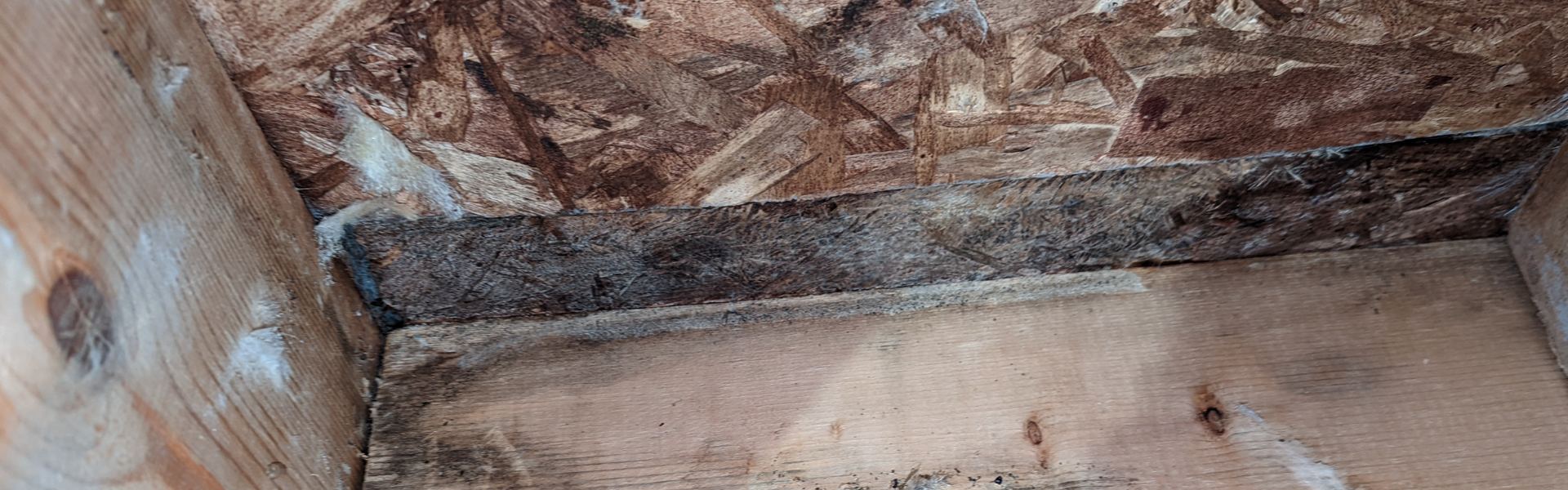
Rim joists are one of the most overlooked sources of air leakage, yet they’re among the most impactful. Located where the foundation meets the framing of the house, rim joists sit right at the boundary between indoors and outdoors a perfect spot for leaks.
In many MA homes, especially those built decades ago, rim joists were never air sealed properly. Gaps around wiring, plumbing, and framing joints allow cold air to pour in during winter. Homeowners often describe basement spaces that feel like “outdoor rooms” in January, even though the furnace is running nonstop upstairs.
One homeowner in Plymouth told us their living room floors were always freezing. The issue wasn’t the flooring it was the rim joist below. Once sealed and insulated, the floor temperature noticeably improved, and the heating system finally stopped working overtime.
Rim joists may be out of sight, but they should never be out of mind.
Chimneys: A Vertical Escape Route You Didn’t Sign Up For
Chimneys are essential for venting combustion gases, but the area around the chimney is often a major air leak. The framing gap where the chimney passes through floors and attics is notorious for leaking warm air straight out of the house.
Think of it like leaving a window cracked open all winter except the window is hidden behind walls and ceilings. Warm air rises, finds that opening, and escapes effortlessly. Meanwhile, cold air is pulled in through lower leaks to replace it.
We’ve seen attic spaces around chimneys that were warm enough in winter to melt snow on the roof above clear evidence that heat was leaving the house instead of warming the people inside it. Proper sealing with fire-rated materials can dramatically reduce this loss while maintaining safety.
Basement Edges: Where Cold Air Creeps In
Basement edges where foundation walls meet floors are another prime leak zone. These seams often develop gaps over time due to settling, shrinkage, or incomplete sealing during construction.
In Massachusetts, basements are particularly vulnerable because they’re surrounded by cold soil for much of the year. Any unsealed edge becomes an open invitation for cold air, moisture, and even pests.
Homeowners often notice this as a persistent chill near the floor or unexplained drafts near baseboards. It’s like wearing a winter coat but leaving the zipper halfway down most of you is covered, but comfort still escapes.
Sealing basement edges doesn’t just improve comfort; it also helps control moisture, which can reduce the risk of mold and structural issues down the line.
How Air Leaks Drive Up Energy Bills
Air leaks don’t just make your home uncomfortable they quietly drain your wallet. Every cubic foot of air that escapes has already been paid for, whether through oil, gas, or electricity.
When leaks exist:
- Heating systems run longer
- Temperature swings become more frequent
- Humidity becomes harder to control
- Equipment wears out faster
One homeowner in Barnstable compared their heating bills before and after air sealing and described it as “finally plugging the holes in a sinking boat.” The furnace didn’t change but the results did.
Why These Leak Areas Are Often Missed
Rim joists, chimneys, and basement edges are rarely visible during daily life. They hide behind insulation, walls, and storage. And because leaks don’t always create dramatic drafts, they’re easy to ignore until bills spike or comfort drops.
This is why professional energy assessments matter. Thermal imaging, blower door testing, and pressure diagnostics reveal what the naked eye can’t. It’s less about guessing and more about measuring.
Air Sealing vs. Insulation: Why Both Matter
Insulation slows heat transfer, but air sealing stops heat loss at the source. Without sealing leaks first, insulation is like wearing a thick sweater in a windy field it helps, but it doesn’t solve the problem.
In Massachusetts homes, effective air sealing around rim joists, chimneys, and basement edges often delivers immediate comfort improvements, sometimes even before insulation upgrades are added.
The Long-Term Benefits of Addressing Air Leaks
Proper air sealing does more than lower energy bills. It:
- Improves indoor comfort
- Reduces drafts and cold spots
- Enhances HVAC performance
- Extends equipment lifespan
- Improves indoor air quality
At High Efficiency Energy Solutions, we often tell homeowners that air sealing is one of the highest-return investments you can make. It’s not flashy, but it’s foundational like fixing the cracks in a foundation before repainting the walls.
Small Gaps, Big Impact
Air leaks don’t need to be dramatic to be expensive. In Massachusetts homes, the most common leak areas rim joists, chimneys, and basement edges quietly undermine comfort and efficiency every day.
Identifying and sealing these areas is less about perfection and more about control. When air stays where it belongs, your home works the way it was meant to comfortable, efficient, and predictable, no matter what the New England weather decides to do next.
At High Efficiency Energy Solutions, we help homeowners find and fix these hidden leaks so their energy dollars stay indoors right where they belong.